We use functional cookies on this website, which are essential to the operation of this website and are always on. We also use non-essential cookies to improve your experience and analyze traffic. To learn more, please review our Privacy Policy.


THE ISSUES
Sexual violence is a public health crisis
It affects individuals, families, and communities across New York. Everyone is impacted by sexual violence, while historically marginalized communities face disproportionately high rates. Yet sexual violence is often misunderstood and can be difficult to talk about. Whether you’re looking to better understand the issue, learn key terminology, or find trusted resources, this page is a place to start.
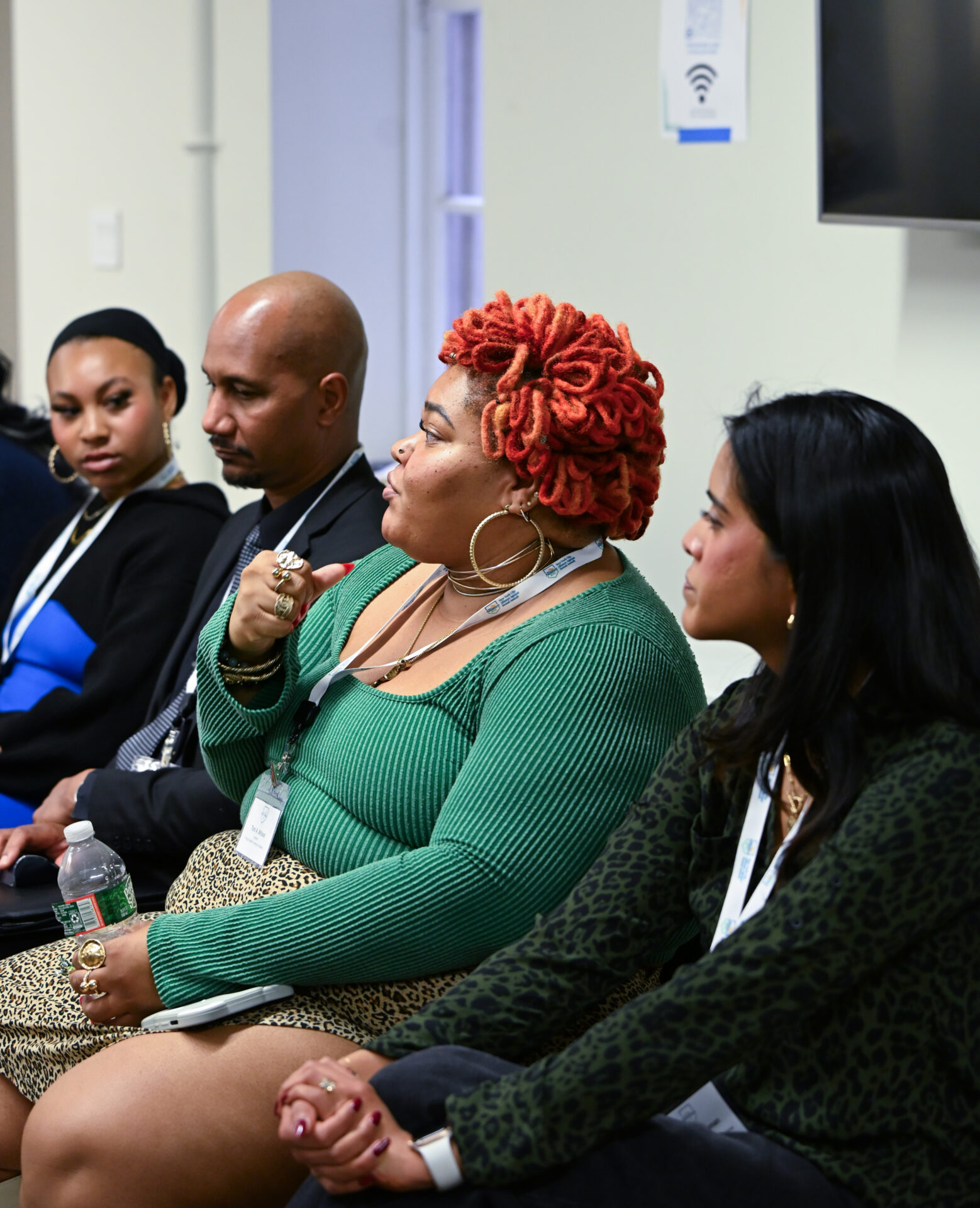
Anyone can experience sexual violence, but historically marginalized communities face disproportionately high rates.
We also know that sexual violence is significantly underreported, meaning no set of statistics can fully capture its true impact. The data on this page is intended to provide a snapshot of the prevalence and some of the realities of sexual violence.
47% of transgender people have experienced sexual assault. These rates are even higher for trans people of color and for trans people who have been homeless, done sex work, or live with a disability.
85% of Indigenous lesbian, bisexual, and Two-Spirit women have experienced sexual assault.
More than 1 in 2 Indigenous women have been sexually assaulted during their lifetime.
An estimated 49,300 adult inmates nationwide have experienced sexual violence.
Sexual violence begins at a young age, which is why early prevention efforts are so important.
LGBTQ+ young people report higher rates of sexual violence than the general population. Nearly 2 in 5 reported that they had been forced to do sexual things that they did not want to do.
1 in 4 Black girls have experienced sexual abuse before the age of 18.
Sexual violence can happen anywhere, including at home, at work, online, and in public.
1 in 3 women have experienced sexual violence in a public place during their lifetime. Rates are even higher for some communities, including American Indian/Alaska Native and multiracial women.
Almost 1 in 3 women and 1 in 9 men have experienced verbal sexual harassment in the workplace.
70% of NYC nightlife staff have witnessed sexual violence. Most perpetrators are patrons, followed by a coworker or someone in a leadership position.
Source: OutSmartNYC’s 2024 Nightlife Survey
60% of NYC nightlife staff have experienced sexual violence at work and 26% said these experiences were frequent or very frequent.
Source: OutSmartNYC’s 2024 Nightlife Survey
Learn key terms about sexual violence and The Alliance’s work
Sexual violence is widespread but is rarely discussed openly. Understanding the key terms is an important first step toward recognizing sexual violence, supporting survivors, and creating safer communities.
Policy Advocacy
Policy advocacy is how we translate the experiences of survivors and the organizations that serve them into legislative action. At the Alliance Against Sexual Violence, this means coalition building, meeting with and educating legislators, and calling for the budget and policy changes needed to strengthen New York’s sexual violence response system and better support survivors statewide.
Rape Crisis Program
Rape crisis programs provide free, confidential support to survivors of sexual violence across New York State. Services vary by program but can include 24/7 hotline support, accompaniment to a hospital, short-term counseling, legal assistance, and help applying for victim compensation. To find a rape crisis program near you, visit the New York State Department of Health’s directory of Rape Crisis Programs.
Rape Crisis Program Advocates
Rape crisis program advocates are trained professionals who provide care and support to survivors of sexual violence. Their role is to believe the survivor, advocate for their rights and needs, and connect them with resources to support their healing journey. Advocates complete a specialized 40-hour training and are certified through the New York State Department of Health.
Sexual Assault Forensic Exam (SAFE)
A Sexual Assault Forensic Exam (SAFE Exam) is a voluntary medical exam conducted at a hospital emergency room. Survivors determine how much of the exam they are comfortable with. The exam can include gathering medical history, a physical assessment, collection of forensic evidence, options for STI, HIV, or pregnancy prevention, and a plan for follow-up care. For a list of SAFE-designated programs in New York State, visit the Department of Health.
Sexual Violence
Sexual violence refers to unwanted sexual actions or behaviors. These can be physical, verbal, digital, or psychological. Sexual violence can take place anywhere, to anyone, and on any platform. It is a public health crisis that affects people of all backgrounds, while historically marginalized communities, including BIPOC, LGBTQ+, and immigrant communities, experience disproportionately higher rates.
Survivor Bill of Rights
The New York State Sexual Assault Survivor Bill of Rights outlines the services and protections available to all survivors of sexual violence in New York State. These rights include access to a free forensic exam at any hospital emergency department, the right to have a rape crisis advocate present during that exam, the right to choose whether or not to report to police, interpreter services, and protection from discrimination based on race, immigration status, sexual orientation, gender identity, disability, and more.

We have much work ahead of us, but I know that staying grounded in the needs of partner organizations and the survivors we ultimately serve will point us in the direction of a brighter future.
Emily Miles
Executive Director
Learn More About The Alliance
Our Work
Students, faculty, and staff, have been trained, helping them foster a culture of prevention, support, and accountability on their campuses
Resource Center
Students, faculty, and staff, have been trained, helping them foster a culture of prevention, support, and accountability on their campuses
Trainings & Events
Nightlife staff members across all five boroughs have been trained to respond to sexual violence and in lower rates of harm at venues.